
Kabuki is one of Japan’s most traditional performing arts, combining drama, music, and elaborate costumes. Mili attended a show in Tokyo, where every movement and expression told a centuries-old story. The dazzling makeup, colorful costumes, and powerful voices made it a one-of-a-kind cultural immersion. For tech-savvy travelers, Kabuki theaters now offer translation devices, so even non-Japanese speakers can understand the performances. It’s proof that ancient traditions can harmonize beautifully with modern travel tech.
Experiencing a Kabuki performance in Tokyo offers travelers a captivating glimpse into one of Japan’s most iconic traditional arts. Known for its stylized drama, elaborate costumes, and dramatic makeup, Kabuki combines music, dance, and acting to tell stories that have been passed down through centuries.
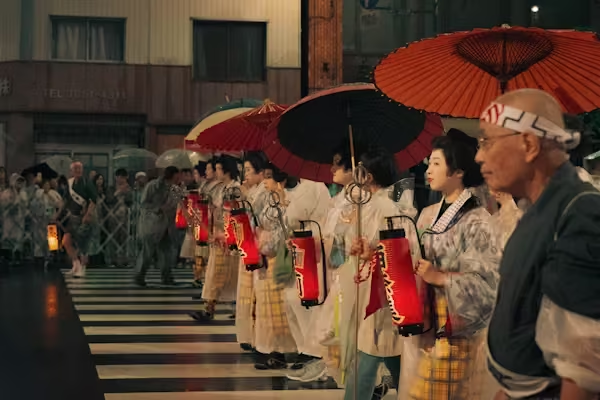
Performances are held in historic theaters, where the stage, lighting, and choreography work together to create a visually stunning spectacle. The actors’ exaggerated gestures, vocal expressions, and intricate movements convey complex emotions and narratives, allowing even those unfamiliar with the language to appreciate the artistry.
Attending Kabuki also provides insight into Japanese culture and history, as many plays explore themes of honor, loyalty, love, and societal norms from the Edo period. Program guides or English subtitles help international visitors follow the storylines, enhancing understanding and enjoyment.
Beyond the performance, the experience immerses audiences in traditional Japanese aesthetics—from the ornate stage design and symbolic props to the meticulous costumes that reflect the characters’ status and personality. The combination of visual beauty, storytelling, and music creates a uniquely immersive cultural encounter.
Watching a Kabuki performance in Tokyo is more than attending a show—it is an opportunity to engage deeply with Japan’s artistic heritage, offering an unforgettable blend of drama, tradition, and cultural insight.