Solo travel can be empowering and rewarding, but it requires extra attention to personal safety. Start by thoroughly researching your destination before you go. Learn about local customs, transportation options, common scams, and neighborhoods to avoid, especially after dark. Share your itinerary with a trusted friend or family member, and establish regular check-ins so someone always knows where you are and when you’re expected to return.
Choose accommodations with strong security features—look for well-reviewed hotels, hostels, or rentals in safe areas, and check that doors and windows lock securely. Upon arrival, familiarize yourself with emergency exits and keep the front desk or host’s contact information handy. When exploring, carry only essential items: a copy of your passport, a limited amount of cash, and one credit card, leaving backups secured in your room’s safe or a locked bag.
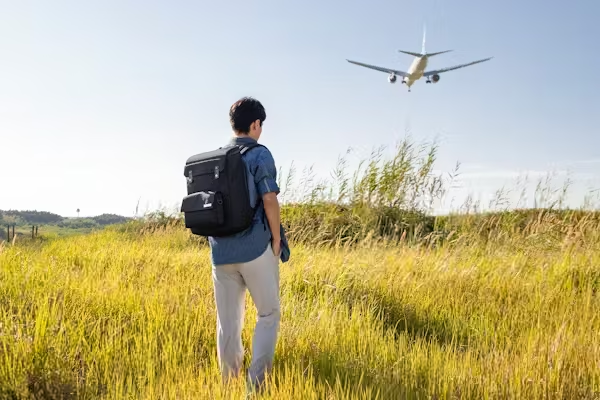
Stay alert and confident in public spaces. Avoid displaying valuables like expensive jewelry or electronics that can attract unwanted attention. Trust your instincts: if a situation feels uncomfortable, remove yourself quickly. Use reputable transportation services—official taxis, rideshare apps, or registered shuttles—and avoid walking alone in poorly lit or deserted areas late at night.
Technology can also boost safety. Share your live location through apps like WhatsApp or Google Maps, and download offline maps in case of limited signal. Keep your phone charged with a portable power bank and store emergency numbers, including local authorities and your country’s embassy. By planning ahead, remaining aware of your surroundings, and trusting your intuition, you can enjoy the freedom of solo travel while staying secure and confident throughout your journey.