Japan’s tea ceremony is not just about sipping tea — it’s a meditative art form. Mili attended a tea ceremony in Kyoto, guided by a tea master dressed in a kimono. Every gesture — from the way tea is whisked to how the cup is presented — holds centuries of tradition. She learned that the ceremony is about mindfulness, respect, and harmony. For travelers, it’s an intimate way to connect with Japanese culture and history while finding peace in the simplest of rituals.
Participating in a traditional Japanese tea ceremony offers travelers a serene and culturally rich experience, highlighting Japan’s dedication to harmony, respect, and mindfulness. Known as chanoyu or sado, the ceremony is more than simply drinking tea—it is a ritual that embodies centuries of history, artistry, and philosophy.
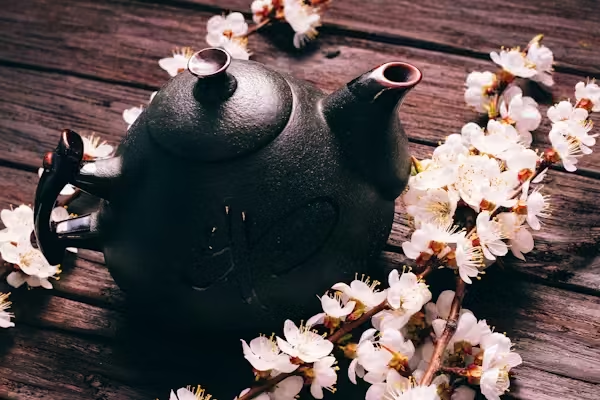
Guests are guided through precise steps, from the preparation of matcha (powdered green tea) to the careful arrangement of utensils and the graceful movements of the host. Every detail, including the choice of tea bowls, gestures, and even the ambient setting, reflects the principles of aesthetics, balance, and respect for nature.
Attending a tea ceremony provides insight into Japanese culture, emphasizing patience, attentiveness, and the appreciation of simple, fleeting moments. Visitors often learn about the cultural significance of each action and the symbolism behind the tea utensils and decorations, gaining a deeper understanding of traditional Japanese values.
The experience is both educational and meditative, allowing participants to slow down, focus on the present, and connect with the ritualistic beauty of the ceremony. Many venues, including historic tea houses and cultural centers, also offer explanations of the history and philosophy behind the practice.
Experiencing Japan’s traditional tea ceremony is more than sampling a beverage—it is an immersive journey into the country’s heritage, fostering mindfulness, cultural appreciation, and a lasting memory of Japanese elegance and tradition.