
Travelers today are increasingly seeking culinary adventures that go beyond traditional local dishes, and fusion cuisine has become a defining trend. By blending flavors, ingredients, and techniques from multiple cultures, chefs create innovative dishes that reflect the diversity of global travel. From sushi burritos in California to kimchi tacos in Seoul, these inventive combinations attract food lovers eager to taste something both familiar and surprising.
Fusion cuisine also tells a story of cultural exchange. Many of these creations arise in cities where immigrant communities have long shared neighborhoods, ingredients, and kitchens. Travelers exploring these culinary hubs can experience a living history of migration and creativity, where each dish represents generations of adaptation and collaboration.
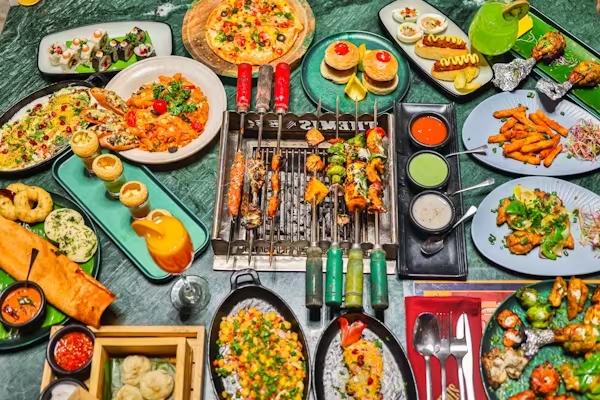
Destinations around the world are embracing this movement. Street markets in Bangkok serve Thai-Mexican quesadillas, while upscale restaurants in Paris experiment with Japanese-French patisserie. Food festivals and pop-up kitchens give tourists the chance to sample unique pairings that might never appear in a traditional guidebook. For many travelers, these experiences are as memorable as visiting famous landmarks.
Beyond novelty, fusion cuisine reflects the global palate of modern travelers. With international flights and digital connectivity shrinking distances, diners arrive with open minds and adventurous tastes. Whether it’s a Caribbean-inspired ramen or Mediterranean tacos, fusion dishes capture the excitement of exploring new cultures and flavors—making them an essential part of contemporary travel and a delicious reminder of how interconnected the world has become.